Facebook
 X
 Pinterest
 Copy Link
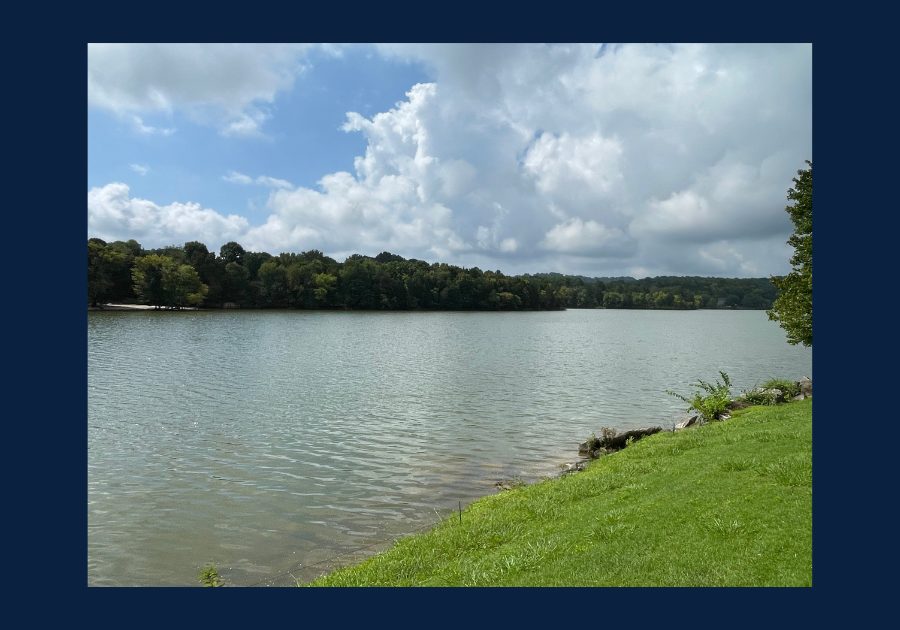
Lakefront scenery in Knox County, Tennessee. When searching for a home near Knoxville, understanding the difference between waterfront and true lakefront property is an important first step.
If you’ve ever searched online for a lakefront home, you may have discovered something frustrating.
You select the “waterfront” filter, expecting to see homes on a lake.
Instead, some results show properties on ponds, creeks, streams, or rivers.
The problem isn’t necessarily your search. Many real estate search websites use a broad waterfront category rather than offering a separate lakefront filter.
For buyers who have a specific vision of living on a lake, that distinction matters.
I was recently reminded of this while helping a buyer search for his ideal lakefront home.
When the Search Filter Doesn’t Match the Dream
This buyer knew exactly what he wanted.
He was looking for a lakefront home within a specific price range. He also wanted to enjoy the water without navigating a steep hillside or climbing numerous stairs to reach it.
His requirements were clear:
- True lakefront property, not a pond, creek, or stream.
- Comfortable access to the water without steep terrain.
- A home within his intended price range.
During approximately two months of intensive searching, we encountered a challenge that many buyers experience.
Online searches for waterfront properties frequently included homes near ponds, creeks, and streams because the search platforms didn’t always offer a separate lakefront filter.
Even when we found actual lakefront homes, the terrain didn’t always fit his needs.
His search ultimately led him to a home in another state.
That experience offers several valuable lessons for anyone considering lakefront living in Knoxville or throughout East Tennessee.
1. Waterfront and Lakefront Are Not Always the Same Thing
Understanding the terminology is an important first step.
Waterfront: A broad term that may include property adjoining a lake, river, pond, creek, or stream.
Lakefront: Generally describes property directly adjoining a lake.
Lake view: A property with a view of a lake that may or may not have direct lake frontage.
Lake access: A property with some form of access to a lake, which may be private, shared, deeded, or subject to restrictions.
These descriptions can vary by listing platform and property.
A home appearing in a waterfront search doesn’t automatically mean it offers the lakefront lifestyle you’re looking for.
What buyers can learn: Verify the type of water, the property’s relationship to the shoreline, and the access rights before scheduling a showing.
2. Search by Lake Name, Not Just Waterfront
If you’re searching for lakefront homes near Knoxville, consider narrowing your search to specific lakes.
East Tennessee offers several popular lakefront areas, including:
- Norris Lake
- Fort Loudoun Lake
- Tellico Lake
- Watts Bar Lake
- Douglas Lake
Searching by lake name may help narrow the results, depending on the website’s search capabilities.
Remember that lake-name searches aren’t perfect either. Some listings may not include the lake’s name in their descriptions.
What buyers can learn: Use a combination of location filters, lake names, maps, and property details rather than relying on one search filter.
3. Lakefront Doesn’t Always Mean Easy Lake Access
One of the most important lessons from this search was that being on the lake and being able to comfortably reach the lake are two different things.
East Tennessee’s rolling hills and varied terrain create beautiful lake views, but some properties have steep slopes between the house and shoreline.
A home may look ideal in photographs while requiring a long staircase or a difficult walk to the water.
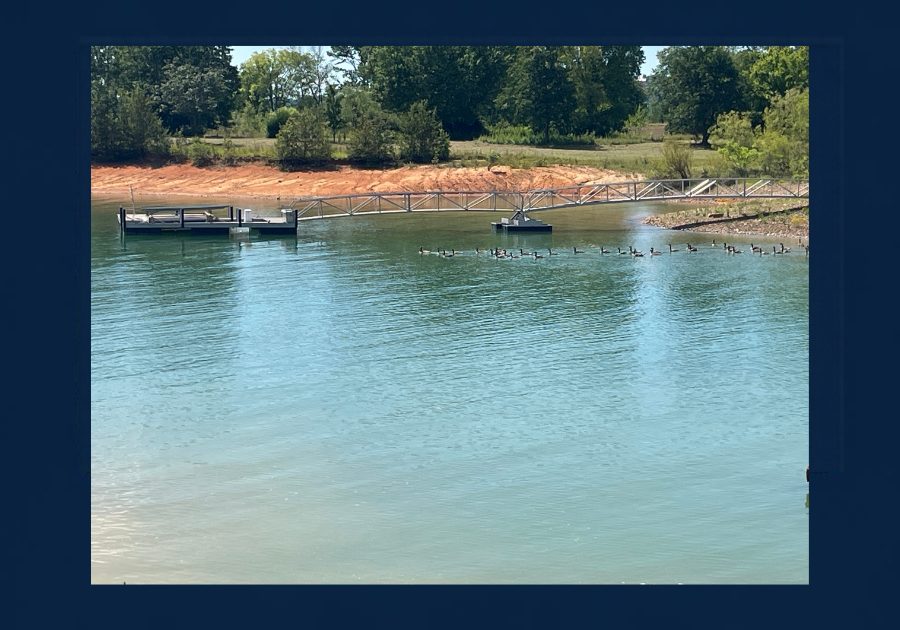
A dock and gangway illustrate an important consideration when buying lakefront property in East Tennessee: how easily you can reach and enjoy the water. Shoreline terrain and access can vary significantly from one property to another.
Before buying, ask yourself:
- How far is the house from the water?
- Is the path to the shoreline relatively level?
- Are there steep steps or uneven surfaces?
- Could I comfortably carry supplies to the lake?
- Will this access work for my lifestyle in the years ahead?
What buyers can learn: When possible, walk the actual route to the shoreline before deciding whether a property meets your needs.
4. Understand Your Budget and Your Nonnegotiables
Every buyer has preferences, but some requirements are more important than others.
For this buyer, three things mattered:
- A true lakefront property.
- Practical access to the water without steep hills or numerous stairs.
- A home within his intended price range.
Finding all three in one property was challenging.
Rather than treating every home near water as a possibility, those requirements helped define which properties were worth considering.
For anyone searching for a home in East Tennessee, this is an important lesson.
You may be able to compromise on paint colors, flooring, or certain cosmetic features.
Compromising on the features that determine whether you can enjoy the property is a different decision.
What buyers can learn: Identify your essential requirements before beginning your search. This helps you make decisions based on your lifestyle rather than listing photographs.
5. Know What You’re Buying Along the Shoreline
Lakefront buyers should also investigate what ownership and access actually include.
For some East Tennessee properties, shoreline activities and improvements may be regulated by the Tennessee Valley Authority.
Depending on the location, permits or other approvals may be required for docks, shoreline structures, or certain improvements.
Before purchasing, consider investigating:
- Shoreline ownership and easements.
- Existing dock permits and restrictions.
- Seasonal water-level changes.
- Flood risk and insurance considerations.
- Whether improvements to shoreline access are permitted.
You can learn more through the Tennessee Valley Authority’s shoreline construction permit information.
What buyers can learn: Don’t assume you can modify a shoreline after purchasing. Confirm property-specific rules before making a commitment.
6. Sometimes the Right Home Is Outside Your Original Search Area
This buyer’s home search ultimately led him to another state.
His experience is a reminder that the purpose of a home search isn’t necessarily to stay within the original geographic boundaries.
It’s to find a property that supports the life you want to live.
For some buyers, location is the most important consideration.
For others, the property’s features, accessibility, or affordability may matter more.
Understanding those priorities can help buyers decide when to remain flexible and when to continue searching.
What buyers can learn: Expanding your search area may be worth considering when essential property features and budget aren’t aligning.
What a Two-Month Home Search Taught Me
Following our search, I received a thoughtful five-star Zillow review describing the experience.
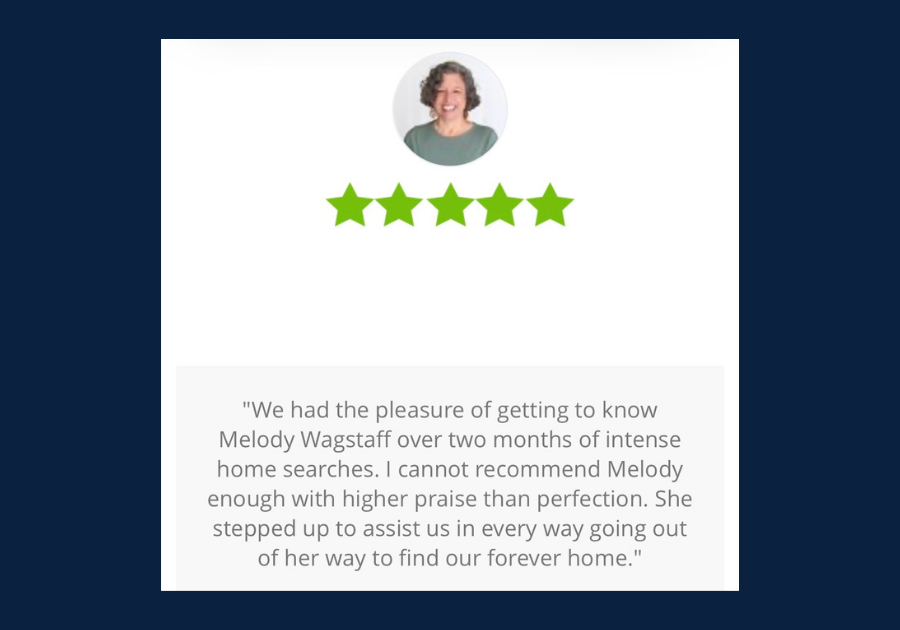
A five-star client review following an extensive home search. The experience highlights why understanding a buyer’s priorities, including true lake frontage, shoreline accessibility, and budget, matters more than relying on online search filters alone.
I appreciated the kind words, but what stands out to me is the importance of understanding what someone truly means when they describe the home they’re looking for.
This buyer didn’t simply want waterfront.
He wanted lakefront.
More importantly, he wanted a lakefront home that fit his budget and allowed him to comfortably enjoy the water.
Those details were essential.
The experience reinforced something I believe is important in real estate:
Finding the right home begins with listening carefully and understanding what matters most to the buyer.
Frequently Asked Questions About Lakefront Homes in East Tennessee
Why do waterfront searches include ponds, creeks, and streams?
Many real estate search platforms group different water features under a broad waterfront category. As a result, a waterfront search may return properties on lakes, rivers, ponds, creeks, or streams rather than only lakefront homes.
How do I search specifically for lakefront homes near Knoxville, TN?
Try searching by specific lake names, using map-based tools, reviewing listing details, and confirming water frontage. A local REALTOR® can help investigate listings and refine your search based on your requirements.
Does lakefront property always have easy access to the water?
No. Some lakefront homes have steep slopes, long staircases, or other obstacles between the house and shoreline. Evaluate the actual access route before purchasing.
What should I check before buying lakefront property in East Tennessee?
Review the property’s shoreline access, terrain, water frontage, dock permissions, applicable restrictions, flood considerations, and maintenance needs. Confirm important details with the appropriate professionals and authorities.
Is a lake view home the same as a lakefront home?
No. A lake view property may overlook the water without directly adjoining the lake. Lakefront generally describes property that touches the lake, although ownership and access rights should always be verified.
Final Thoughts: Finding the Right Lakefront Home Starts With Understanding Your Needs
Searching for a lakefront home in Knoxville or East Tennessee involves more than selecting a waterfront filter.
It means understanding the difference between water features, evaluating terrain, confirming access, and identifying the property characteristics that matter most to you.
This experience reminds us that even knowledgeable buyers can encounter limitations with online search tools.
The most important part of a successful home search is understanding what you’re actually trying to find.
Because the right lakefront home isn’t simply about seeing the water. It’s about being able to enjoy it!