Facebook
 X
X
 Pinterest
 Copy Link
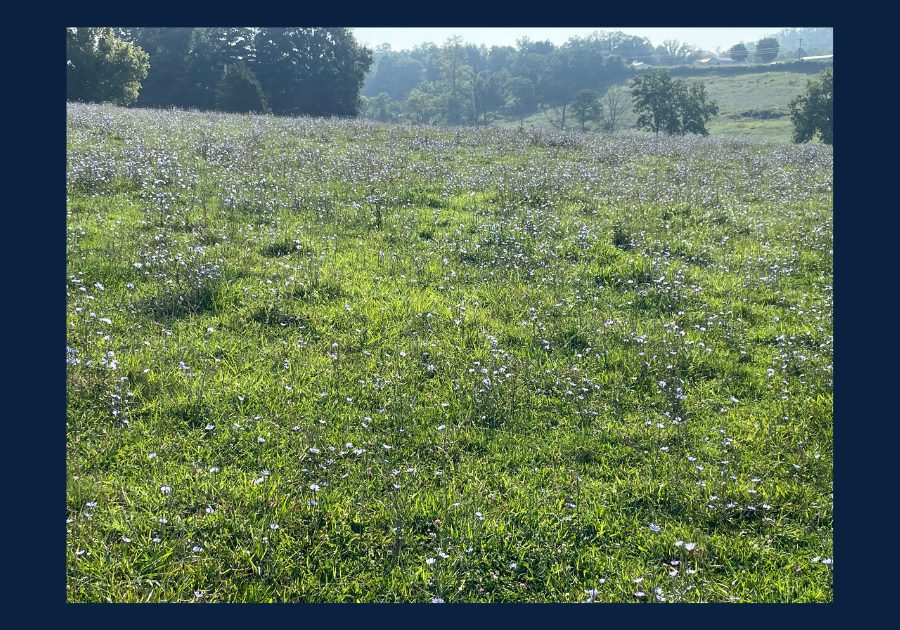
Rural East Tennessee can offer beautiful surroundings, but buyers should also consider how the property functions beyond the scenery.
A home can look peaceful in the listing photos and still come with a few surprises that do not appear in the property description.
I was reminded of that while driving Highway 68 toward Ten Mile, Tennessee, for a showing. The route took me past rolling countryside, utility poles, roadside businesses, and reminders that living in a rural community can feel quite different from living inside Knoxville or another larger city.
Those differences are part of what many people love about East Tennessee. They can also influence how a property functions from one day to the next.
If you are considering a rural East Tennessee home, the question is not simply whether you like the house. You also need to understand what comes with its location.
Fireworks May Be Part of the Local Soundscape
People moving to East Tennessee are sometimes surprised by how often they hear fireworks.
Fourth of July celebrations are only part of the story. Fireworks may accompany New Year’s Eve, community events, holiday weekends, and occasionally a University of Tennessee football victory. Seasonal stands also tend to appear along highways during popular selling periods.
Fireworks regulations can vary by county and municipality. Tennessee’s State Fire Marshal provides statewide guidance, while local governments may establish additional restrictions. That means two homes separated by only a few miles may fall under different rules.
This matters if you have pets, young children, livestock, sensory sensitivities, or a strong preference for quiet evenings.
A daytime showing will not tell you everything about a neighborhood’s noise patterns. Before purchasing, consider visiting the area at different times, asking about local ordinances, and paying attention to nearby event venues, campgrounds, marinas, or recreational areas.
The goal is not to decide whether fireworks are good or bad. The goal is to know whether the area fits the life you want to live.
Utility Poles Can Reveal More Than the Power Source
Overhead utilities are common throughout East Tennessee, especially in rural and established areas.
A utility pole, power line, transformer, or cleared strip of land may indicate that a utility provider has certain rights to access part of the property. The exact location and terms of any utility easement should be verified through the deed, survey, title work, and other available records.
An easement does not necessarily prevent you from enjoying the property. It may affect where you can build a detached garage, plant trees, install a fence, or make other improvements.
Questions worth exploring include:
- Are utility easements shown on an existing survey?
- Where do the lines and easements run in relation to the house?
- Could an easement affect future building plans?
- Who maintains the area beneath or around the utility lines?
- Are internet, electricity, and other services already connected?
Online photos may show the utility pole. They usually will not explain what legal rights or practical limitations come with it.
Rural Does Not Automatically Mean Well Water
Many buyers assume a rural East Tennessee property will have a private well. Plenty of homes outside city limits are connected to public water systems.
The presence of public water depends on the property’s location and the utility provider’s service area. A home may have a rural mailing address, acreage, and no nearby sidewalks while still receiving water from a public utility.
The opposite can also happen. Public water may appear to run near a property without being available at the specific parcel. Buyers considering vacant land or a home that is not currently connected should verify availability directly with the appropriate utility provider.
“Water is at the road” does not always mean a connection will be simple or inexpensive.
Useful questions include:
- Is the house currently connected to public water?
- Which utility provider serves the property?
- Is there an existing meter?
- Are connection, tap, or capacity fees required?
- How far is the home from the available water line?
- Does the property also have an older well?
These answers can affect both your expenses and your plans for the property.
A Private Well Comes With Different Responsibilities
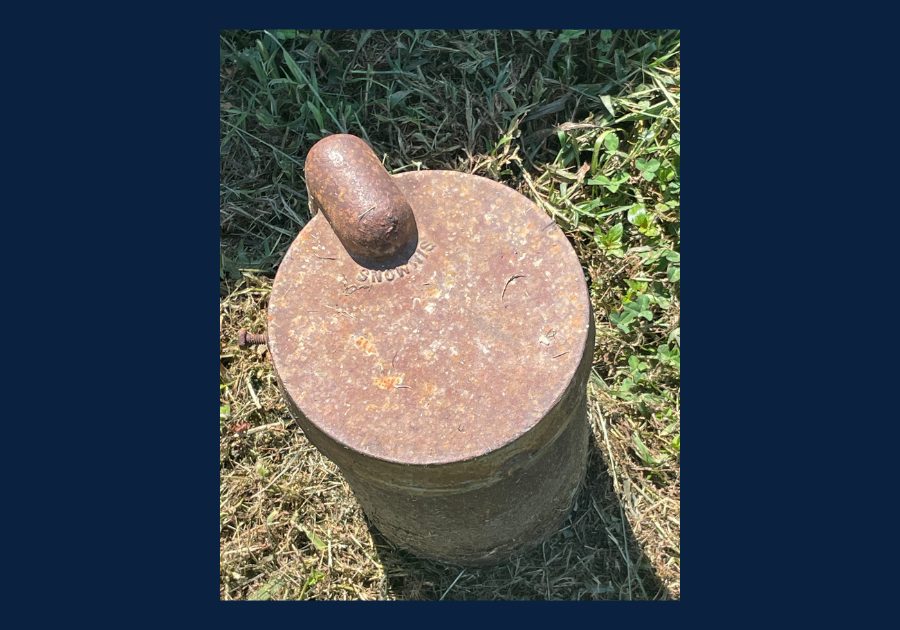
Buyers considering a home with a private well should investigate the well, pump, water quality, and available maintenance records.
Well water is familiar to many East Tennessee residents. I grew up with it before public water became available where my family lived.
The taste of well water is personal. The condition of the well and the quality of the water require more objective information.
When evaluating a home with a private well, buyers may want to investigate the well’s age, depth, location, maintenance history, pump, pressure tank, water quality, and flow. Tennessee’s Department of Environment and Conservation can also assist property owners in locating available well-driller records.
A water test provides information that taste and appearance cannot. The appropriate testing depends on the property, surrounding land uses, and recommendations from qualified water professionals.
The well pump also normally depends on electricity. A power outage can therefore become a water outage unless the property has an appropriate backup system.
That detail may not matter much to someone who rarely experiences an extended outage. It could matter considerably to a buyer planning to keep livestock, care for an older family member, or work from home in a more remote location.
Rural Roads May Include Some Unfamiliar Traffic
Driving through parts of East Tennessee can bring you alongside tractors, farm equipment, utility vehicles, cyclists, and occasionally horse-drawn buggies near Plain communities.
These encounters are part of living in an agricultural region. They can also affect travel time and road safety.
Road width, shoulders, curves, hills, and visibility deserve attention when evaluating a rural property. A route that looks short on a map may feel very different when driven in the rain, after dark, or behind slow-moving equipment.
Buyers should drive the roads they would actually use for work, groceries, medical appointments, and family activities. The fastest route suggested by a phone may not be the route you would want to travel every day.
Local culture is not only found at festivals, restaurants, or historic sites. Sometimes it is found directly outside the driveway.
The Right Rural Property Needs to Work Beyond the Photographs
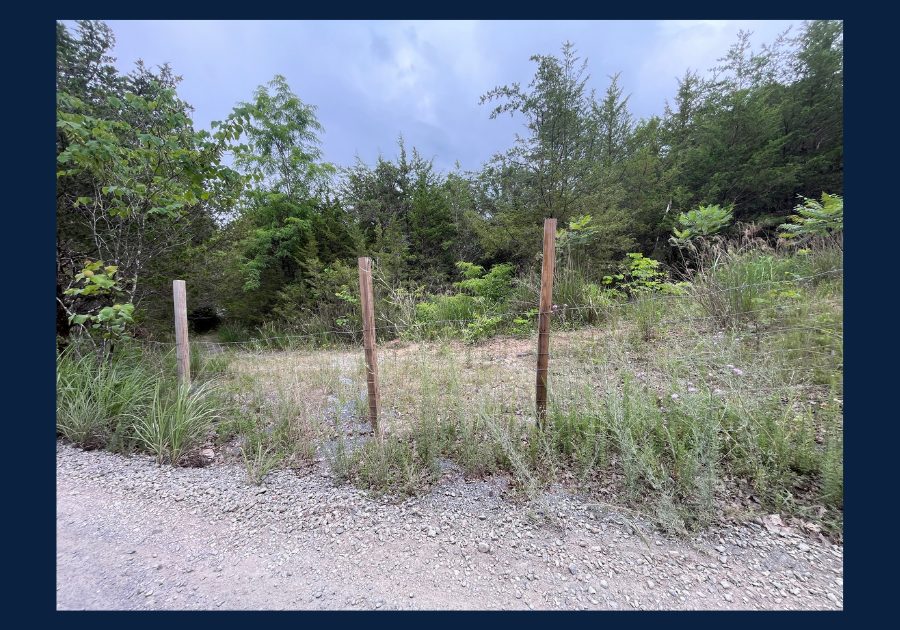
Acreage may look straightforward online, but access, fencing, terrain, easements, and property boundaries deserve a closer look.
The appeal of rural East Tennessee is easy to understand. Buyers may find more land, quieter surroundings, lake access, mountain views, workshop space, or room for a garden.
The tradeoffs deserve the same attention as the scenery.
A property may still be an excellent fit when it has overhead utilities, a well, a utility easement, or occasional fireworks nearby. The important question is whether you understand those details before making a decision.
When I help buyers explore rural homes and land in East Tennessee, I want them to look beyond the number of bedrooms and the acreage listed online. I help buyers investigate how the property, utilities, roads, restrictions, and surrounding community fit the life they are hoping to create.
A house can meet every requirement on paper and still feel wrong once you understand the setting. Another property may come with a few unfamiliar features and turn out to be exactly where you feel at home.