Facebook
 X
X
 Pinterest
 Copy Link
Is living near the Smoky Mountains all sunshine, scenic views, and weekend adventures?
Not exactly.
The Great Smoky Mountains are one of the biggest reasons people are drawn to East Tennessee. The scenery is beautiful, the outdoor recreation is incredible, and there is a slower pace of life that many people love. At the same time, mountain living comes with a few challenges that do not always show up in relocation guides or real estate listings.
One of the things I have learned while helping buyers throughout Knoxville and East Tennessee is that understanding the day-to-day realities of an area is just as important as falling in love with the view.
Before you decide where to live near the Smokies, here are seven things worth considering.
What Are the Downsides of Living Near the Smoky Mountains?
The most common challenges include:
- Seasonal tourist traffic
- Dense fog and changing weather conditions
- Higher humidity
- Seasonal allergies
- Longer-than-expected travel times
- Limited internet and cell service in some rural areas
- Increased wildlife encounters
For most East Tennessee residents, these are manageable inconveniences rather than deal-breakers. Understanding them ahead of time can help you choose the right community for your lifestyle.
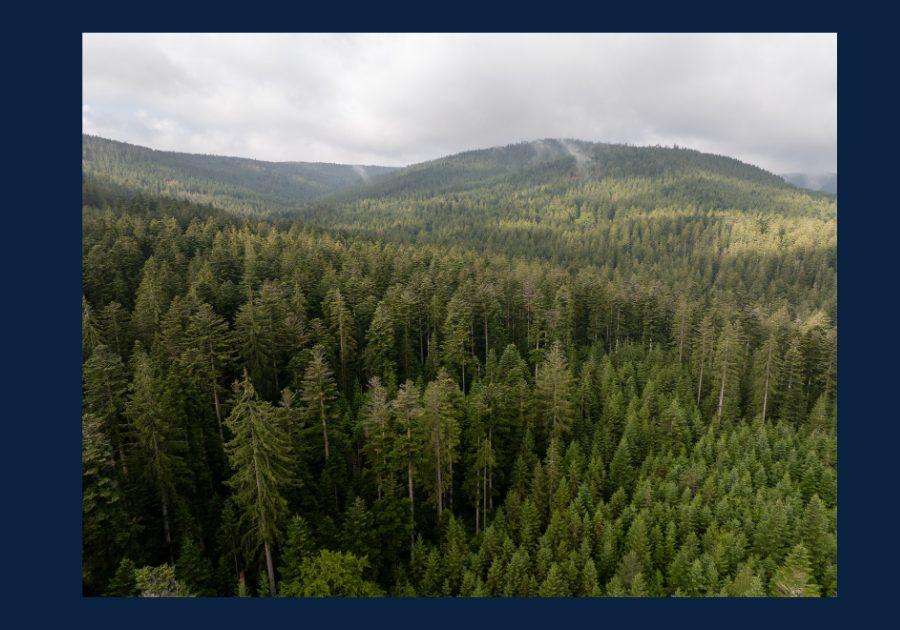
The natural beauty of the Smoky Mountains is one of the biggest reasons people choose to live in East Tennessee.
1. Dense Fog and Unpredictable Weather
The Smoky Mountains create unique weather patterns throughout East Tennessee.
During the fall and winter months, dense fog can settle into the valleys and reduce visibility significantly. There are mornings when it is difficult to see beyond the end of the driveway. Areas closer to the foothills often experience very different conditions than neighborhoods in Knoxville.
The weather can also vary dramatically from one area to another. It may be sunny in West Knoxville while communities closer to Townsend, Walland, or the foothills are dealing with clouds, mist, or rain.
What this means for daily life
For most residents, this simply means paying closer attention to weather forecasts and allowing extra time for travel during certain seasons. It is not a major problem, but it can be an adjustment if you are used to more predictable weather patterns.
2. Tourist Traffic Is Real
Millions of visitors travel to the Great Smoky Mountains each year, and that popularity impacts local traffic.
During peak seasons such as fall foliage, summer vacations, spring break, and holiday events in Pigeon Forge and Gatlinburg, traffic can become a factor throughout parts of East Tennessee. Interstate 40, Highway 66, and roads leading into Sevier County often experience the greatest congestion.
What this means for daily life
If your routine rarely takes you toward tourist destinations, this may have very little impact on your everyday life. If you frequently travel to Sevierville, Pigeon Forge, Gatlinburg, or Cades Cove, planning around peak tourism times can save you a lot of frustration.
3. Seasonal Allergies Can Be Challenging
East Tennessee is known for its beautiful forests, rolling hills, and abundant greenery.
Unfortunately, those same features contribute to seasonal pollen levels. Spring often brings tree pollen, while fall introduces ragweed, which can affect both long-time residents and newcomers.
The valleys surrounding the Smoky Mountains can sometimes trap pollen, making allergy season feel more intense.
What this means for daily life
Many residents successfully manage allergies with over-the-counter medications, air filtration systems, and paying attention to local pollen forecasts. If you already struggle with seasonal allergies, it is something worth considering before choosing a home near heavily wooded areas.
4. Summer Humidity Can Be an Adjustment
People often assume that living near the mountains means cool temperatures year-round.
While East Tennessee enjoys four distinct seasons, summer humidity can catch people off guard. The combination of warm temperatures and moisture in the air can make outdoor activities feel more intense than expected.
What this means for daily life
Most residents adapt quickly and continue to enjoy everything East Tennessee has to offer. Many outdoor activities simply shift to the cooler morning and evening hours during the hottest months of the year.
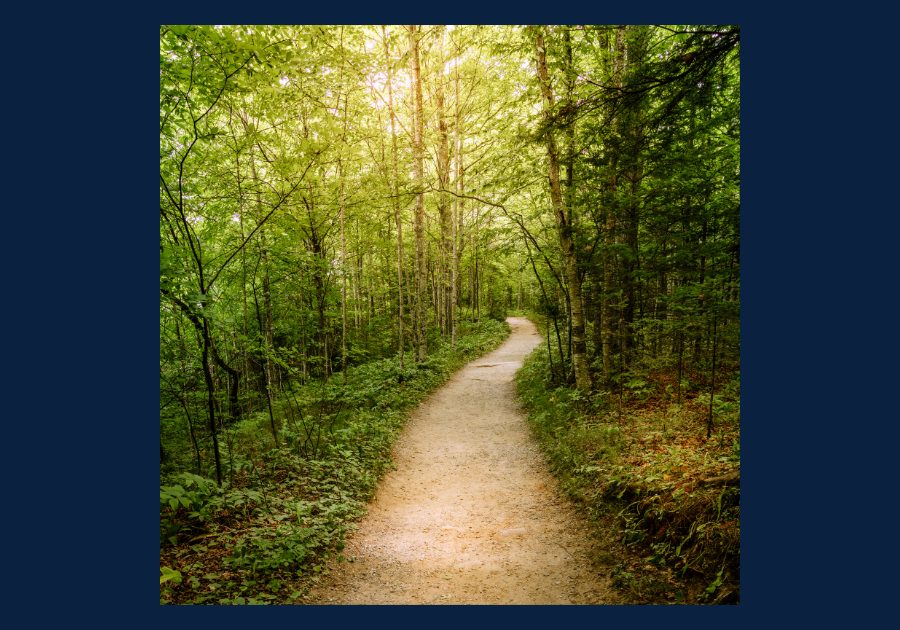
Easy access to hiking trails and outdoor recreation is a major benefit of living near the Smoky Mountains.
5. Mountain Destinations Often Take Longer Than Expected
One of the biggest misconceptions about living near the Smoky Mountains is how close everything appears on a map.
A destination may only be 30 or 40 miles away, but winding roads, scenic routes, lower speed limits, and tourist traffic can significantly increase travel times.
I learned this firsthand during a recent visit to Cades Cove. The drive there was manageable, but once inside the loop, visitor traffic turned what is often about a one-hour experience into several hours. The scenery was beautiful, but it was definitely not a quick trip.
What this means for daily life
Living near the mountains is wonderful, but flexibility helps. If you enjoy visiting popular destinations, especially during peak seasons, it is wise to allow more time than your GPS might suggest.
6. Internet and Cell Service Can Vary
Knoxville and many surrounding communities offer strong internet and cellular coverage.
As you move farther into rural portions of Blount County, Sevier County, Monroe County, or mountain communities, service can become less consistent. This is especially important for remote workers, online students, and anyone who relies on a stable internet connection.
What this means for home buyers
One piece of advice I regularly share with buyers is to verify internet availability before purchasing a property. A beautiful mountain view is wonderful, but reliable internet matters too.
7. Wildlife Becomes Part of Everyday Life
One of the joys of living in East Tennessee is being surrounded by nature.
The trade-off is that wildlife becomes part of daily life. Depending on where you live, it is common to see deer, rabbits, raccoons, squirrels, skunks, and even armadillos.
The closer you get to the foothills and mountain communities, the more likely you are to encounter larger wildlife. Bear sightings are uncommon in Knoxville itself but can occur in communities closer to the Smoky Mountains.
What this means for daily life
Most wildlife encounters are harmless when homeowners take simple precautions such as securing garbage, protecting gardens, and avoiding feeding animals.
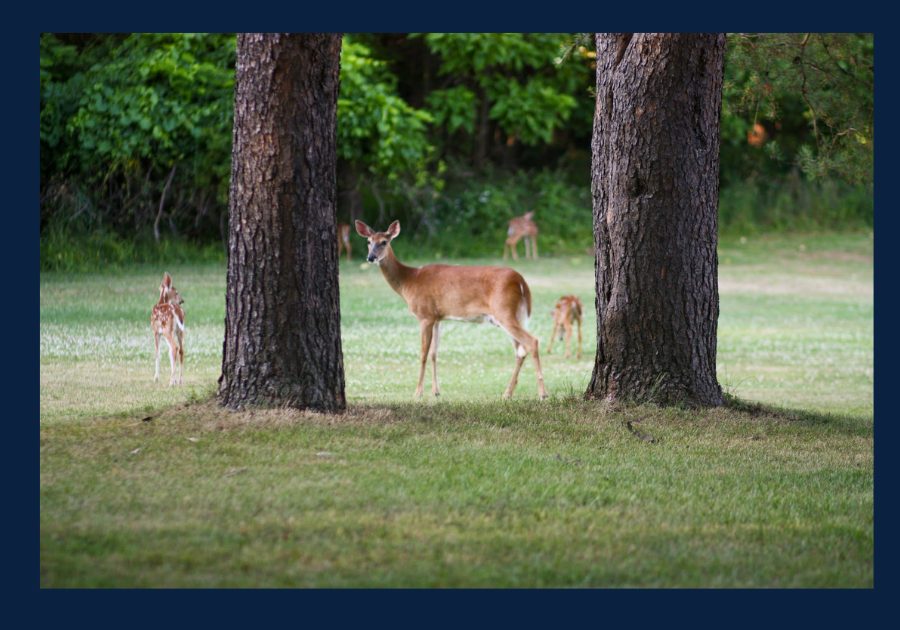
Wildlife encounters are a normal part of life in many East Tennessee communities near the Smoky Mountains.
Is Living Near the Smoky Mountains Worth It?
For most people, absolutely.
The beauty, outdoor recreation, scenic views, and strong sense of community are why so many people choose to call East Tennessee home. Most of the challenges I have discussed are simply part of living in a region shaped by mountains and nature.
The key is understanding what daily life looks like before choosing where to live. A home in West Knoxville may offer a very different experience than a home near Townsend, Wears Valley, or the foothills of Blount County.
One of my favorite parts of helping buyers throughout East Tennessee is helping them look beyond the photos and understand what life is actually like in a community. When you know both the advantages and the challenges ahead of time, you are much more likely to choose a home and location that fit your lifestyle for years to come.
Frequently Asked Questions About Living Near the Smoky Mountains
Is living near the Smoky Mountains worth it?
For many people, yes. The area offers beautiful scenery, outdoor recreation, a strong sense of community, and access to one of the most visited national parks in the country. Most residents find that the benefits outweigh the inconveniences.
Does Knoxville get a lot of fog?
Knoxville experiences periods of fog throughout the year, with the heaviest fog typically occurring during the fall and winter months. Areas closer to the foothills often experience denser fog than neighborhoods farther from the mountains.
Are allergies worse near the Smoky Mountains?
Many East Tennessee residents experience seasonal allergies due to tree pollen in the spring and ragweed in the fall. The severity varies from person to person.
Do bears come into neighborhoods in East Tennessee?
Bear sightings are uncommon in Knoxville but are more likely in communities near the foothills and mountain areas. Properly securing trash and avoiding wildlife feeding helps reduce encounters.
Is internet service available in mountain communities?
Many mountain communities have internet service, but speeds and provider options vary significantly. Buyers should always verify service availability before purchasing a home.
What is the biggest downside of living near the Smoky Mountains?
For most residents, the biggest challenges are seasonal tourist traffic and longer travel times to popular destinations. However, many people consider these minor inconveniences compared to the lifestyle benefits of living in East Tennessee.