Facebook
 X
X
 Pinterest
 Copy Link
Serving buyers, sellers, and relocating families throughout East Tennessee, I answer dozens of real estate questions every week. Whether you’re moving to Knoxville, Maryville, Oak Ridge, Lenoir City, Sevierville, or another East Tennessee community, understanding how the home-buying process works can help you avoid surprises and make confident decisions.
Many buyers relocating from other states discover that Tennessee real estate works differently than where they currently live. Others have questions about utility transfers, property taxes, buying land, and upfront costs.
Here are the answers to some of the most common home-buying questions I receive.
Quick Answers for East Tennessee Home Buyers
- Most Tennessee real estate closings are handled by title companies, not attorneys.
- Utility companies should be contacted two to three days before closing.
- Vacant land addresses are assigned through the county’s non-emergency 911 office.
- Property taxes are typically prorated during closing.
- Buyers should budget up to $3,000 for inspections and appraisals.
- Avoid opening new credit accounts or making major purchases while under contract.

Many buyers relocating to East Tennessee have questions about closings, title companies, inspections, and the home-buying process. Understanding these steps can help you purchase a home with confidence.
Do You Need a Real Estate Attorney to Buy a Home in Tennessee?
Short Answer: Usually no.
One of the most common questions I hear from people relocating to Tennessee is whether they need a real estate attorney to purchase a home.
In many states, attorneys handle residential real estate closings. In East Tennessee and throughout most of Tennessee, closings are typically handled by a title company.
Once a buyer and seller reach an agreement and sign a purchase contract, the contract is sent to the title company. The title company coordinates with the lender, researches ownership records, verifies the property’s title history, and prepares the documents needed for closing.
The title company also searches for:
- Liens
- Ownership disputes
- Tax sale issues
- Unreleased mortgages
- Other title concerns
After any issues are resolved, the transaction proceeds to closing.
Although certain situations may require legal advice, most residential real estate transactions in East Tennessee close through a title company rather than a real estate attorney.
When Should Utilities Be Transferred After Buying a Home?
Short Answer: Contact utility providers two to three days before closing.
Utility transfers are an important part of moving into a new home.
I recommend contacting all utility providers several days before closing to ask what documentation they require.
This often includes:
- Electricity
- Water
- Sewer
- Natural gas
- Internet
- Cable services
Some utility companies require a copy of the deed after closing. Others allow you to begin the transfer process beforehand.
After closing, contact the providers again with any required documents so services can be transferred promptly.
In most East Tennessee transactions, sellers leave utilities active for a short period after closing, giving buyers time to complete the transfer process.
How Do You Get an Address for Vacant Land in Tennessee?
Short Answer: Contact the county’s non-emergency 911 office after closing.
Buying vacant land in East Tennessee has become increasingly popular, especially in Knox County, Blount County, Loudon County, Roane County, Anderson County, and Sevier County.
One question buyers frequently ask is:
“What if the property doesn’t have an address?”
After you close on the property and receive ownership, contact the county’s non-emergency 911 office. They can assign an official address for the property.
This address is often needed before obtaining permits, utility connections, or planning future construction.
If you’re unsure who to contact, your REALTOR® can help point you in the right direction.

Purchasing vacant land in East Tennessee often requires obtaining an official property address through the county’s non-emergency 911 office after closing.
Why Did I Receive a Property Tax Bill After Closing?
Short Answer: It is often a timing issue with ownership records.
Every year during property tax season, I receive calls from clients who are concerned because they received a tax bill after purchasing a property.
In most cases, property taxes were already addressed during closing through prorations between the buyer and seller.
The confusion occurs because county ownership records and mailing systems sometimes take time to update after a transaction closes.
As a result, the new owner may receive a tax bill even though the taxes were already accounted for during closing.
If this happens:
- Review your closing disclosure.
- Verify the tax prorations.
- Contact your REALTOR® or local tax office if you have questions.
Most situations are easily resolved once the records are reviewed.
How Much Money Do You Need Before Closing on a House?
Short Answer: Plan for approximately $500 to $2,000 in upfront costs.
Many buyers focus on their down payment but overlook expenses that occur before closing.
The most common upfront costs include inspections and appraisals.
Home Inspection Costs
Depending on the property, buyers may choose:
- Home inspections
- Septic inspections
- Termite inspections
- Pest inspections
- Radon testing
These services are typically paid directly to the inspection companies and cannot be financed through your mortgage loan.
Appraisal Costs
If you’re obtaining financing, your lender will usually require an appraisal.
Many lenders collect appraisal fees before ordering the appraisal.
Cash buyers may also choose to obtain an appraisal for additional peace of mind.
Most buyers should plan to have between $500 and $2,000 available for these services depending on the property and inspections selected.
Other expenses such as title fees, recording fees, and prorated taxes are generally handled at closing.
What Should Buyers Avoid Doing After Going Under Contract?
Short Answer: Keep your finances as stable as possible.
This is one of the most important pieces of advice I give every buyer.
Even after your offer is accepted, your lender continues monitoring your financial situation until closing.
Avoid:
- Opening new credit cards
- Closing existing accounts
- Financing furniture or appliances
- Taking out personal loans
- Making large purchases
- Moving large sums of money between accounts
Any significant financial changes can impact your mortgage approval.
I once worked with a client who contacted her lender before making nearly every significant purchase during the contract period. While that level of caution may not be necessary for everyone, maintaining open communication with your lender is always a smart decision.
If an unexpected expense arises, speak with your lender before making major financial changes.
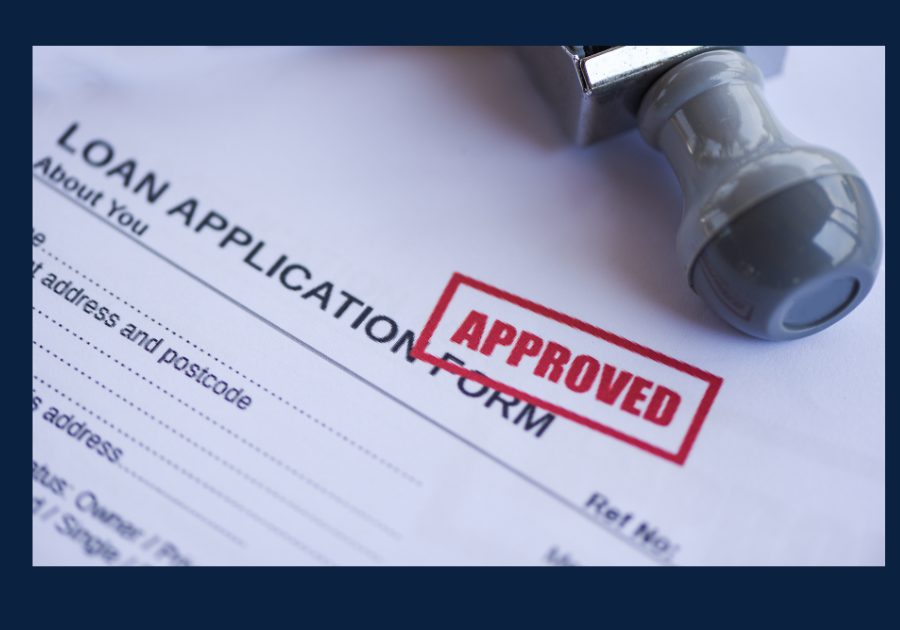
Keeping your finances stable after going under contract can help protect your mortgage approval and prevent delays before closing.
Frequently Asked Questions About Buying a Home in East Tennessee
Do I need a lawyer to buy a house in Tennessee?
Most home purchases in Tennessee are closed through a title company rather than a real estate attorney.
When should I transfer utilities after buying a house?
Contact utility providers two to three days before closing and complete transfers immediately after closing.
How do I get an address for vacant land in Tennessee?
Contact the county’s non-emergency 911 office after closing to obtain an official address assignment.
Why did I receive a property tax bill after buying a house?
County records sometimes lag behind ownership transfers. Review your closing documents and contact your REALTOR® if you have concerns.
What costs do buyers pay before closing?
Most buyers pay for inspections and appraisals before closing, usually totaling between $500 and $2,000.
Can opening a credit card affect my mortgage approval?
Yes. Buyers should avoid opening new credit accounts or making significant financial changes while under contract.
Final Thoughts
Buying a home in East Tennessee doesn’t have to be overwhelming. Whether you’re relocating from another state, purchasing your first home, investing in land, or preparing for closing day, understanding the process helps you move forward with confidence.
My goal is to provide trusted guidance and valuable information so you can make informed real estate decisions.
If you have a question about buying, selling, relocating, or investing in East Tennessee real estate, I’d be happy to help.