Facebook
 X
X
 Pinterest
 Copy Link
5 Misconceptions About East Tennessee Real Estate
It’s time to clear up a few things about East Tennessee real estate.
I love it when people call me to talk through their plans, questions, and ideas about moving here. Those conversations are one of my favorite parts of what I do. A lot of times, though, I hear the same assumptions repeated. Things people have read online or heard secondhand that don’t always match reality.
So I wanted to take a moment to walk through some of the most common misconceptions I hear and explain how things really work here in East Tennessee.
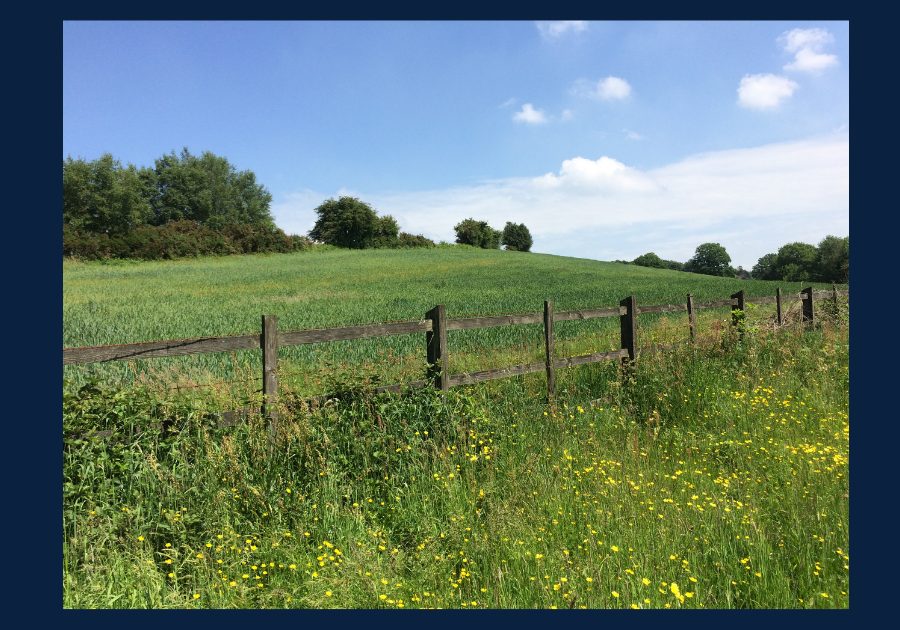
Open pasture and rolling land are common across rural areas of East Tennessee.
Misconception One: Most Properties Have Water on Them
One of the first things people tell me is that they want to live near water. A creek, a pond, a lake, or even just a water view. I completely understand the appeal. Water features are beautiful.
The misconception is that water is common on every piece of land here. It isn’t. When you find property with water on it, it is usually more valuable and often comes with a premium price. We simply do not have an abundance of water frontage, especially on larger parcels.
Another thing to consider is that many water properties have an HOA or deed restrictions. These are typically in place to protect property values around the water. Flood insurance is also something that often comes up. If a portion of the property is close to water, flood insurance may be required for that area.
Flood insurance isn’t something to be afraid of. Anytime you live near water, there is a chance of flooding due to storms or heavy rain. Flood insurance is simply protection, much like homeowners insurance or fire coverage.
Misconception Two: Living Near the Mountains Means Easy Access
I talk to a lot of people who say they want to live near the mountains or have a mountain view. That’s a great goal. Our mountains are beautiful, even though they’re older and more rounded than places like the Rockies.
What surprises people is the road access.
Most mountain properties do not have wide, clearly marked two-lane roads. Many roads are narrow, steep, and curvy. Sometimes one car has to pull over to let another pass. These conditions don’t change at night, in the rain, or when we get even a small amount of snow.
If you’re comfortable with that, mountain living can be wonderful. If not, it’s something you really need to experience in person before making a decision.
Misconception Three: Any Restrictions Are a Deal Breaker
A lot of buyers tell me they want land with no restrictions because they don’t want anyone telling them what to do. I understand that feeling. What often gets overlooked is that if your land has no restrictions, your neighbors’ land may not either.
That means someone next door could start a junkyard, a pig farm, or something else that affects your enjoyment of the property.
Many listings are marked as having restrictions when the reality is very simple. I’ve had properties where the only restriction was no pig farming, no junkyards, or no landfills. Most people are completely fine with those limitations, but they never even see the property because they filtered out anything with restrictions.
Restrictions should always be reviewed individually. Some are minimal and protective, while others may be more involved. The key is understanding them instead of avoiding them altogether.
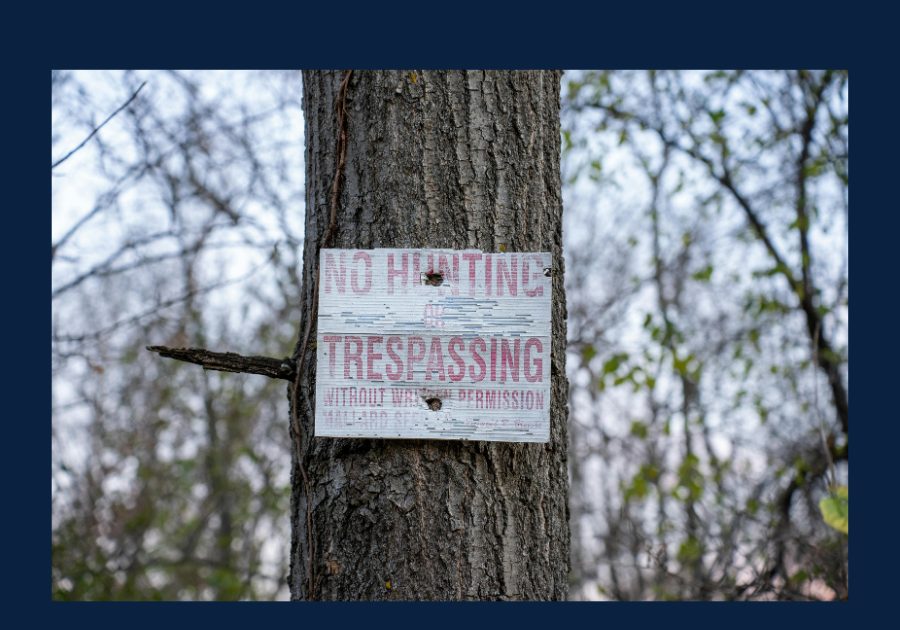
Some land restrictions are simple and meant to protect neighboring property owners.
Misconception Four: Buying Land Is Financed Like Buying a Home
Financing raw land is different from financing a home. Many conventional loans will not work for vacant land.
In many cases, you’ll need to work with a land lender. These loans often require a higher down payment and may come with different interest rates. If you’re planning to build in the future, it’s important to talk with a land lender early so you understand your options and what makes the most sense financially.
Misconception Five: Rural Areas Always Have Cell Service and Internet
East Tennessee has plenty of places where you can truly get away from it all. That also means there are areas without reliable cell service or internet.
This is especially important if you work from home. Satellite internet or other options may be available, but coverage can vary widely. I always recommend checking service availability before getting serious about a property.
Another thing to think about is proximity to hospitals and major roads. Some rural areas require longer drives to reach medical care or interstates. That doesn’t mean those properties aren’t great options, but it does mean these factors should be part of the decision.
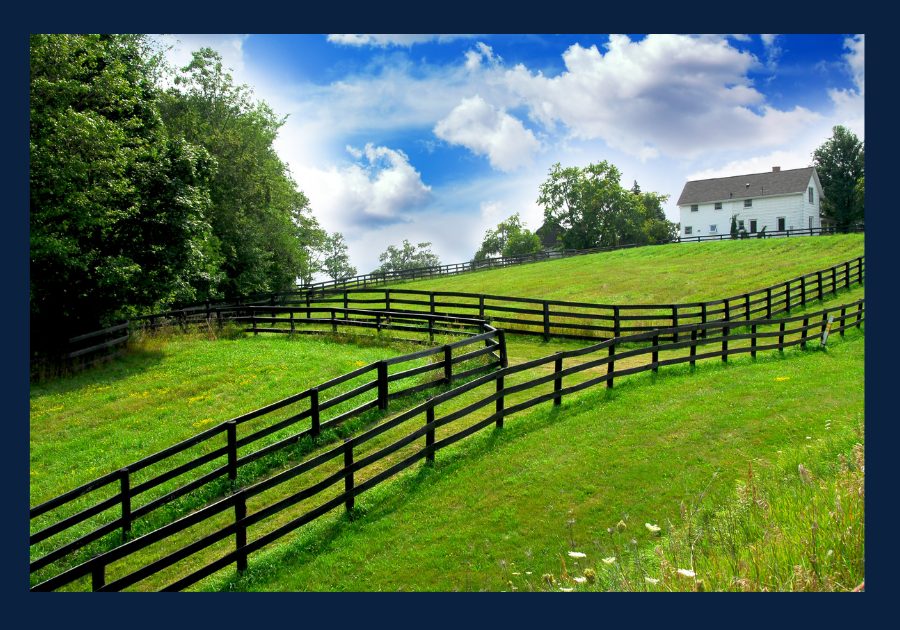
Rural living in East Tennessee offers space, privacy, and a quieter pace of life.
Final Thoughts
East Tennessee offers incredible opportunities for buyers who want space, scenery, and a different pace of life. The key is understanding what comes with those choices.
My goal is always to be honest, educational, and clear so you can make decisions that truly fit your lifestyle. If you take the time to understand these misconceptions upfront, you’ll avoid surprises and feel much more confident about your move.